
Archive for November, 2011
G35 LED Christmas Light Review and Teardown
In this write up & video I review the “GE Color Effects” G35 multi colored LED Christmas lights 50 count. I will cover product details, hanging hints and show a teardown and give some links to great hacks at the end.
UPDATE 11/30/2012: My new video “G35 LED Christmas Lights – A Simple Parallel Sync Hack“
UPDATE: new links to other hackers at the end of this post!!!

You get to pick from 14 sequence patterns using a wireless controller. Hacking these lights using Arduino is already very popular so I will be linking to some good hack posts below. In a later video I will be trying some of the known hacks and some of my own.
Link to the GE product page for these lights
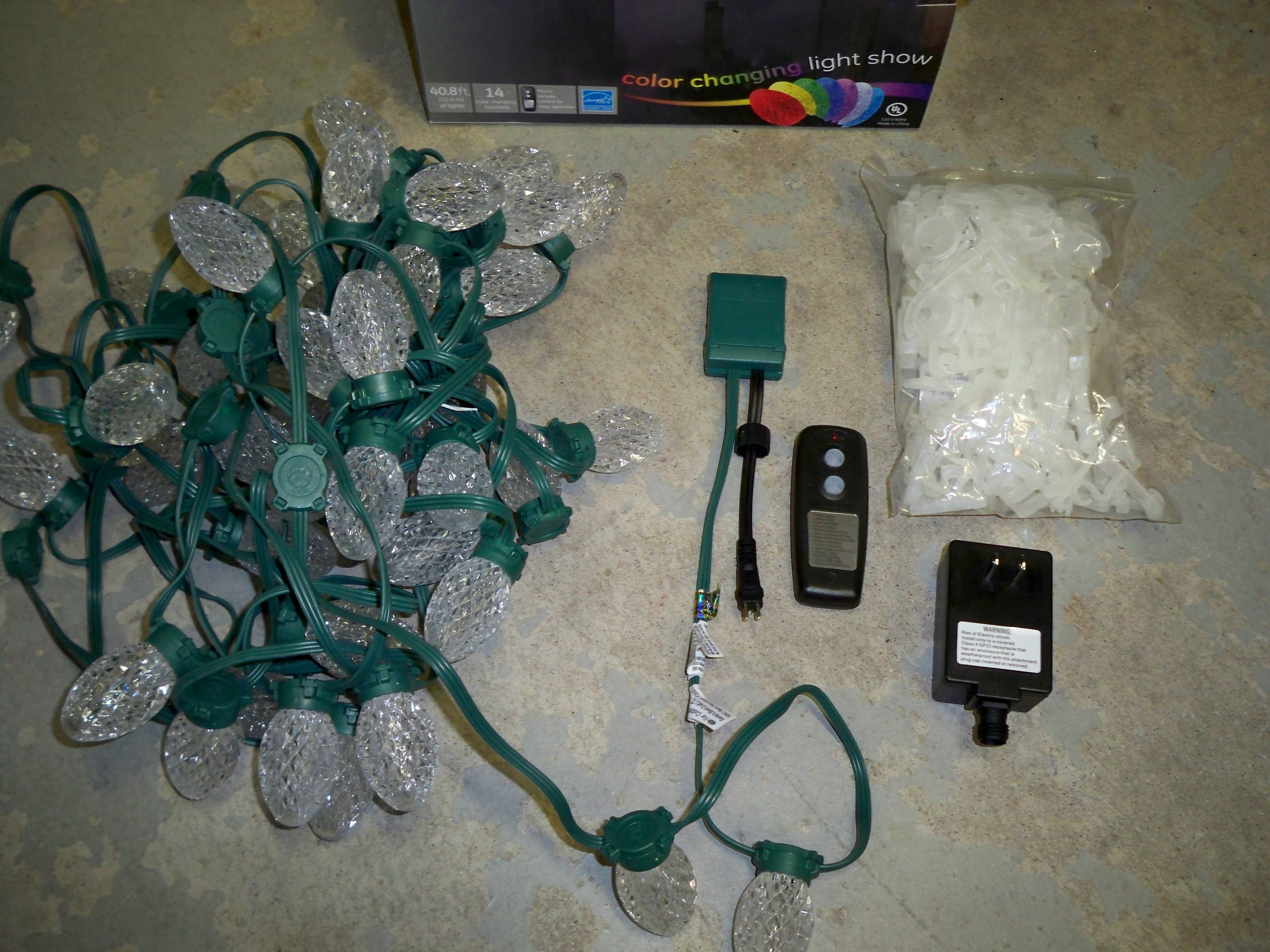
In the box you get the below:
40.8 feet of lights
50 lights spaced at 10 inches
50 rain gutter clips, 50 base clips
Radio controller with 14 light patters
CLICK TO READ ALL —>: (more…)
Short episode showing what turned out to be a simple fix to get a 5 disk Sony CD player running like new. One more product saved from the landfill!
Didn’t anyone ever tell you to make sure your optics were clean? Buddy boy!
12VoltVids also posted a really good general service video of 5 disk changers. It addresses tray alignment and other faults. https://www.youtube.com/watch?v=yaXwF_1DxtA
His website is: http://www3.telus.net/atv_video/
In this video episode I show how to replace solder tab rechargeable batteries in some very useful consumer products that would otherwise end up in a landfill. I use more common and cheaper none solder tab reachable batteries and show how to safely and effectively solder on the tabs.
First up was the solder tab type AA 1.2v Ni-Cd in my beard trimmer. I know, not the most attractive thing a man wants to see in his bathroom.

Then my programmable Christmas tree light timer which needed a coin cell 1.2v Ni-MH with PCB mounting tabs.
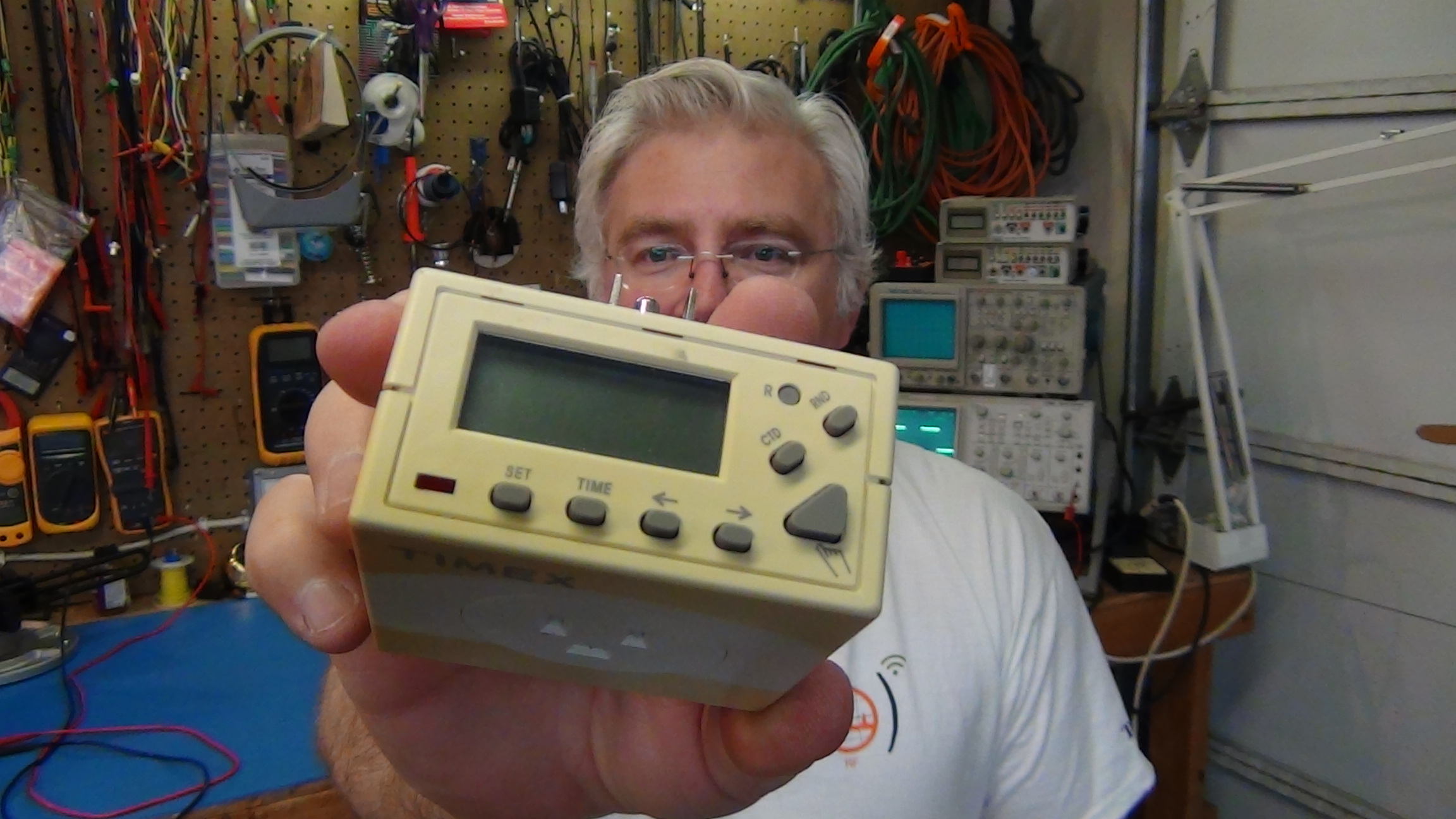
I noted in the video that it was interesting they were powering the timer controller using a bridge rectified AC to DC converter. I was surprised to see this without the use of a step down transformer before the rectifier circuit. Further research, I found this is quite common in consumer products that require less than 70mA and it can be done safely and cost effectively. There are some pros and cons to this approach. If you want the full details with the math and picking the correct sized passive devices you can review this nice article at Microship.com. For the power conditioning circuit which is closes to what is in my timer see Fig.12 in the article.



Links for Beginners in Electronics }:-)
Archives
- April 2017 (1)
- March 2017 (3)
- December 2016 (1)
- November 2016 (3)
- October 2016 (2)
- September 2016 (2)
- August 2016 (4)
- June 2016 (1)
- May 2016 (6)
- April 2016 (1)
- March 2016 (3)
- February 2016 (4)
- January 2016 (3)
- December 2015 (1)
- November 2015 (5)
- September 2015 (1)
- July 2015 (2)
- June 2015 (6)
- March 2015 (1)
- January 2015 (2)
- December 2014 (2)
- November 2014 (4)
- October 2014 (2)
- May 2014 (1)
- March 2014 (5)
- February 2014 (3)
- January 2014 (1)
- September 2013 (2)
- August 2013 (1)
- July 2013 (4)
- June 2013 (3)
- May 2013 (2)
- April 2013 (1)
- March 2013 (3)
- February 2013 (2)
- January 2013 (2)
- December 2012 (1)
- November 2012 (8)
- October 2012 (5)
- September 2012 (1)
- August 2012 (1)
- July 2012 (2)
- May 2012 (2)
- April 2012 (1)
- March 2012 (3)
- February 2012 (2)
- December 2011 (2)
- November 2011 (4)
- October 2011 (1)
- September 2011 (1)
- August 2011 (2)
- May 2011 (2)
- April 2011 (2)
- March 2011 (2)
- February 2011 (2)
- January 2011 (1)
- December 2010 (2)
- November 2010 (2)
- July 2010 (3)
- June 2010 (2)
- April 2010 (1)
- March 2010 (1)
- February 2010 (2)
- January 2010 (1)
- December 2009 (2)
- October 2009 (4)
- March 2009 (1)
- December 2008 (1)
- November 2008 (1)
- August 2008 (1)
- April 2008 (1)
- March 2008 (1)
- February 2008 (1)
- June 2007 (1)
- November 2005 (1)
- April 2005 (1)